
PROJECT LAUNCH GRANT
RECIPIENT • Marcus DeSieno • Geography of Disappearance: Migrant Deaths on the US/Mexico Border
JUROR • Diane Waggoner • Curator, Department of Photographs, National Gallery of Art

Unknown Migrant, Female, Cause of Death - Exposure, Their Body Was Found One Week After Death, New Mexico

Unknown Migrant, Male, Cause of Death Other – Multiple Injuries, Their Body Was Found One Day After Death, Arizona

Unknown Migrant, Male, Cause of Death Exposure - Probable Hyperthermia, Their Body Was Found Three Weeks After Death, Arizona
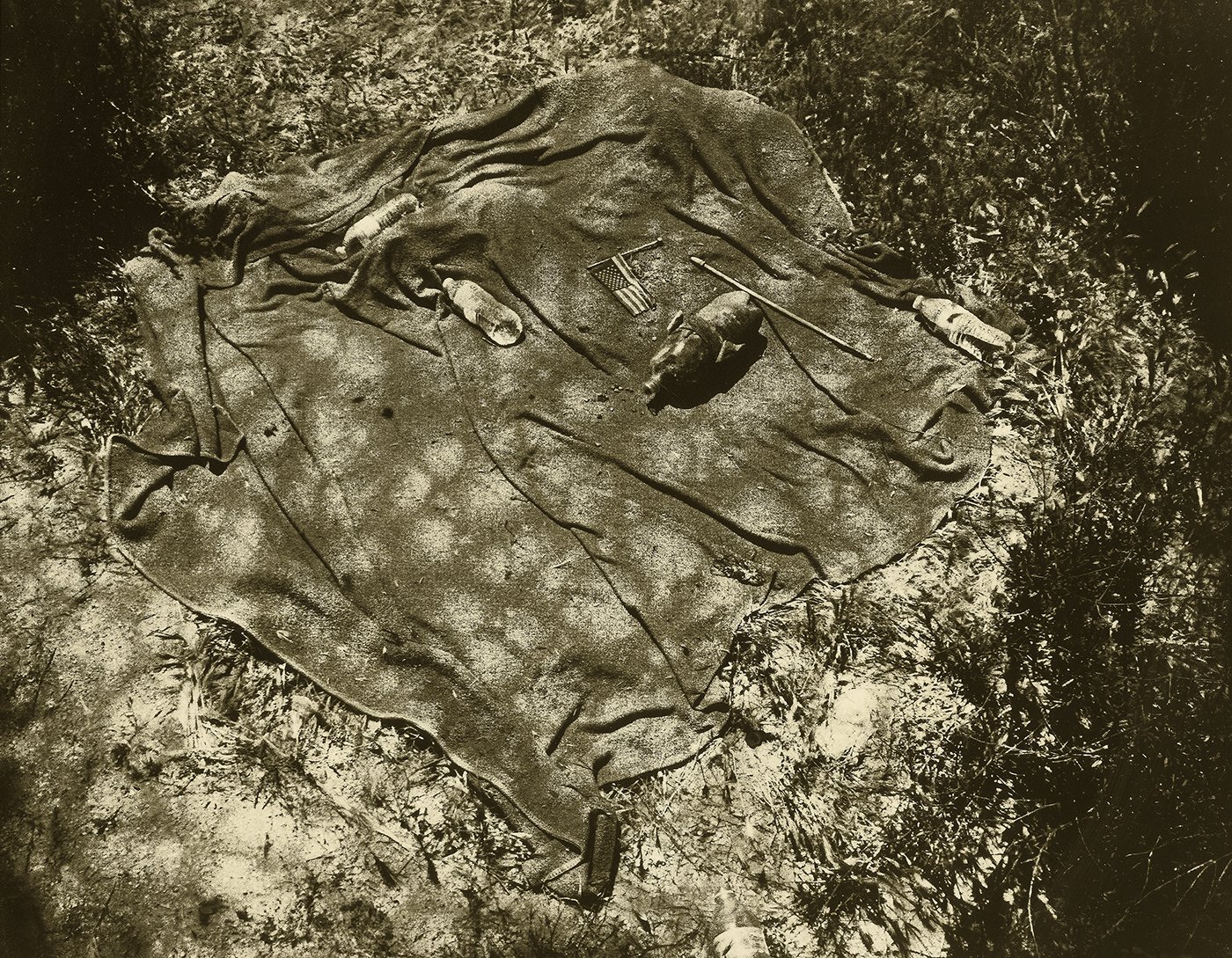
Unknown Migrant, Female, Cause of Death - Probable Hyperthermia, Their Body Was Found Less Than One Week After Death, California

Unknown Migrant, Male, Cause of Death Undetermined - Postmortem Decomposition, Their Body Was Found Three Weeks After Death, Arizona

Unknown Migrant, Male, Cause of Death - Drowning, Their Body Was Found on the Day of Death, Texas

Unknown Migrant, Male, Cause of Death - Blunt Force Trauma/Struck by Automobile, Their Body Was Found on the Day of Death, California

Unknown Migrant, Male, Cause of Death Undetermined - Skeletal Remains, Their Body Was Found Six Months After Death, Arizona

Unknown Migrant, Female, Cause of Death - Probable Hyperthermia, Their Body Was Found Three Weeks After Death, Arizona

Unknown Migrant, Male, Cause of Death Undetermined-Skeletal Remains, Their Body Was Found Three Months After Death, Arizona

Unknown Migrant, Female, Cause of Death - Probable Exposure, Their Body Was Found One Month After Death, New Mexico

Unknown Migrant, Male, Cause of Death Drowning, Their Body Was Found One Week After Death, California

Unknown Migrant, Male, Cause of Death Undetermined - Mummified and Partially Skeletonized Remains, Their Body Was Found Three Weeks After Death, Arizona

Unknown Migrant, Male, Cause of Death Undetermined – Skeletal Remains (Complete Skeletonization with Bone Degradation), Their Body Was Found Over Six Months After Death, Arizona

Unknown Migrant, Male, Cause of Death Blunt Force Injury – Multiple Severe Injuries to Head, Torso, and Extremities, Their Body Was Found Less Than One Day After Death, Arizona
-
The United Nations has declared the border between the United States and Mexico to be the deadliest land crossing in the world and a humanitarian crisis. Thousands of men, women, and children have died crossing the over 1,900 mile border through brutal deserts and impassible mountains with harsh climate conditions year-round. The US government strategically uses draconian policies here that follow a philosophy of “prevention through deterrence,” forcefully directing migrants into unforgiving terrain where they wander for days in the elements. These policies are specifically meant to maim and kill. Many of these migrants are sometimes never found as they die in the vast emptiness of the wilderness. The earth reclaims their bodies, and they disappear. Nature is used as an executioner by proxy.
I photograph along the border and go to the exact locations where the bodies of unknown migrants have been recovered using autopsy reports and data collected by humanitarian organizations as well as local and state police. I use alternative photographic processes in the darkroom to speak to the complex social and political narratives that run through these landscapes. The hazy, impressionistic, and forceful mark-making embedded in these photographic processes act as a metaphor for the physical and psychological violence that these migrants experienced as they perished.
These sites of death are the direct consequences of the oppressive ideologies, build upon a legacy of white supremacy, that continue to guide the United States forward into the 21st century. The photographs act as a space for somber remembrance of the deceased and serve as an examination of the cruelty woven into the fabric of my country.
-
It was truly an honor reviewing the many compelling submissions for this year’s Project Launch Grant. There were numerous standout projects that reaffirmed my belief in the power of photography to tell personal stories, process emotions, reveal hardships, and capture environments, communities, and ways of living. I was impressed with the thoughtfulness, skill, and dedication many of the photographers brought to their work.
Several of the submitted projects will stay with me, from those detailing grief and loss, exploring growing up and motherhood, examining particular communities across the globe, and engaging with the consequences of extraction, deforestation, and decaying infrastructure. There were wonderful studies of vanishing things, such as local newsrooms or payphones, and others bearing witness to suffering, such as animals in captivity in roadside zoos, maternal mortality in Africa and the U.S., the treatment of mental illness in Java, and the war in Ukraine.
To select just one project was truly a challenge. In the end, my selection is Geography of Disappearance, a powerful project that documents sites where the bodies of migrants have been found after perishing during an attempt to cross the U.S.-Mexico border. The use of wet-collodion negatives in the field produces a picture seemingly awash in fluid and grime, evoking the lived experience of the lost person. The project addresses an urgent issue of our time with deep research and care and depicts a range of locations and compositions but is visually and conceptually cohesive.
— Diane Waggoner • Curator, Department of Photographs, National Gallery of Art
-
These photographs are printed for exhibition as archival pigment print enlargements of lith prints made from wet-plate collodion negatives. I exhibit them at two sized editions at 14"x18" and 28"x36"